Ancient India: The Birth of an Icon
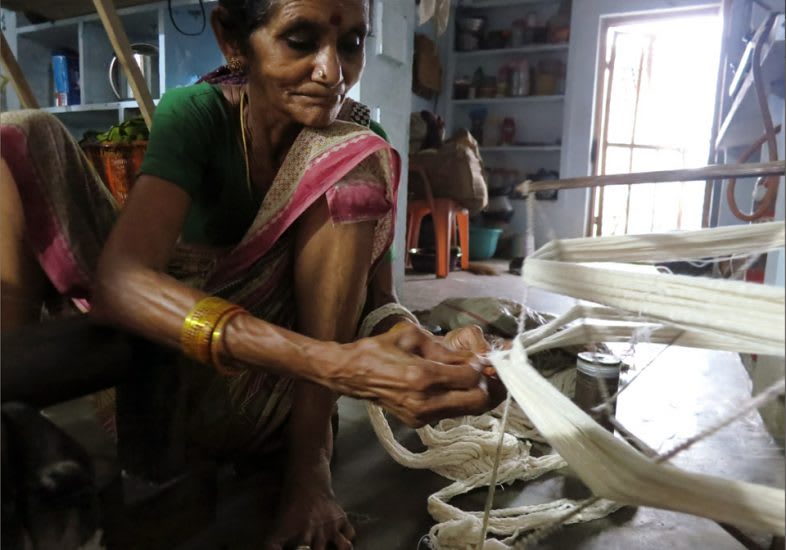
The saree's origins trace back to the Indus Valley Civilization (2800-1800 BCE), where women adorned themselves with simple rectangular unstitched cloths woven from natural fibers. These ancient garments required no blouses or petticoats, representing pure functionality intertwined with grace. During the Maurya and Gupta eras (3rd century BCE to 6th century CE), saree weaving underwent significant refinement. Sculptures and ancient texts reveal early Indian sarees with pleated styles and finer cotton weaves, already establishing regional variations that would flourish for centuries.
The fabric composition during ancient times relied entirely on natural materials—pure cotton from India's fertile plains was the primary fiber, supplemented by jute and hemp in certain regions. These breathable fabrics suited India's diverse climates perfectly, allowing women to work, worship, and celebrate while maintaining dignity and comfort. The natural dyes extracted from indigo, turmeric, and madder root created the earthy color palettes we still revere in traditional sarees today.
The Mughal Dynasty: Luxury, Zari, and Opulence (16th-18th Century)
The Mughal emperors transformed saree culture fundamentally, introducing unprecedented luxury and craftsmanship. This era witnessed the introduction of zari work—the intricate weaving of real gold and silver threads into fabric—which became the hallmark of royal and noble sarees. Mughal sarees featured exquisite embroidery techniques including zardozi (goldwork), creating pieces that required months of painstaking hand-labor.
Persian influences introduced new design philosophies: elegant paisleys, floral motifs inspired by Mughal gardens, and rich jewel tones like deep crimsons, emeralds, and sapphires. The introduction of silk from regions along the Silk Road elevated saree wearing to an art form. Women of the Mughal court draped sarees with full coverage, pairing them with fitted cholis (blouses) for modesty, establishing a style that would define formal saree draping for generations.
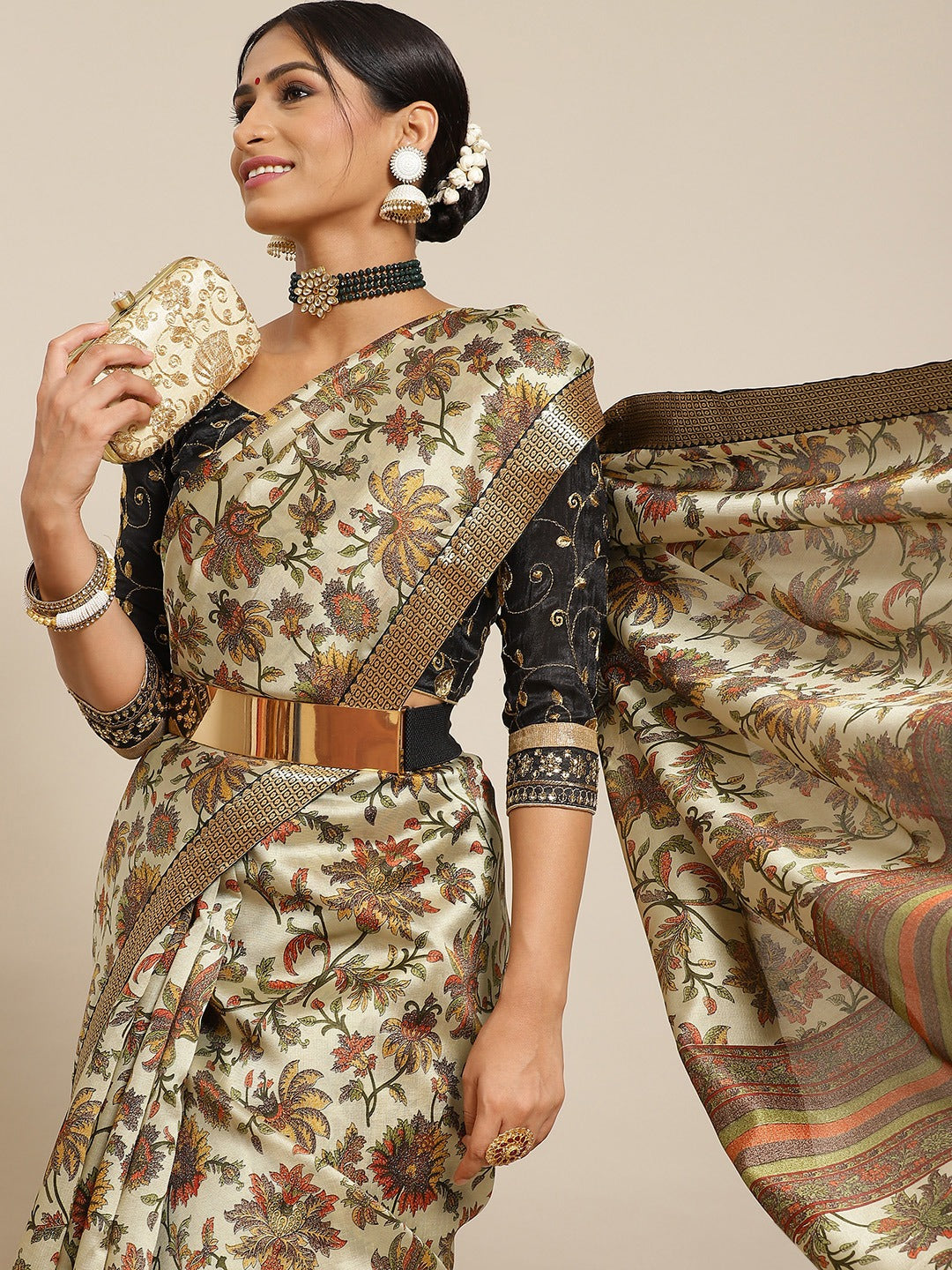
Fabrics during the Mughal period became increasingly sophisticated. Banarasi sarees emerged from Varanasi with their signature blend of silk and cotton, adorned with zari work and intricate brocade designs. Pure silk sarees became status symbols, while cotton-silk blend sarees offered nobility a balance between comfort and opulence—a tradition Sri Manisha Sarees continues with our premium collections today.
Regional Dynasties: Crafting Cultural Identity (17th-19th Century)
Each Indian kingdom contributed distinctive aesthetics to saree evolution, creating the magnificent regional diversity we celebrate today.
The Marathas and the Nauvari Saree
Maharashtra's warrior women pioneered the Nauvari saree, a revolutionary nine-yard drape that transformed saree functionality. This dhoti-style configuration provided unprecedented freedom of movement, essential for women in agricultural and military households. The practical genius of the Nauvari lies in its design—the lower portion wraps around the legs like a dhoti, while the upper portion drapes traditionally, enabling mobility without compromising modesty. Maratha artisans perfected sturdy cotton sarees in bold colors, often featuring simple but striking borders in contrasting shades. Today, the Nauvari remains iconic for traditional Marathi weddings and cultural celebrations, representing the strength and independence of Maharashtra's women.

Rajput Royalty: Embellishment and Grandeur
Rajasthan's royal courts favored dramatically embellished sarees reflecting desert aesthetics and warrior culture. Rajasthani sarees showcase heavy brocades, mirror work (shisha), and gota patti (gold ribbon) embroidery. The traditional draping style—seedha pallu—displays the elaborate borders and pallu design prominently, creating a striking silhouette. These sarees traditionally employ rich, warm hues: burgundy, saffron, and deep gold. The weight and construction of Rajasthani sarees demand heavyweight cotton-silk blends that hold their shape majestically.
Gujarat's Tie-Dye and Double-Ikat Mastery: Bandhani, Leheriya, and Patola
Gujarati textile artisans perfected multiple weaving and dyeing techniques, establishing Gujarat as a global textile powerhouse. The bandhani (tie-dye) technique creates mesmerizing geometric patterns through meticulous knotting and dyeing processes. Gujarati bandhani sarees feature thousands of tiny dots or wave patterns in vibrant contrasts—typically bright colors like turquoise, pink, and orange against complementary hues. The leheriya pattern creates wave-like designs through line-dyeing, producing movement even in static fabric.
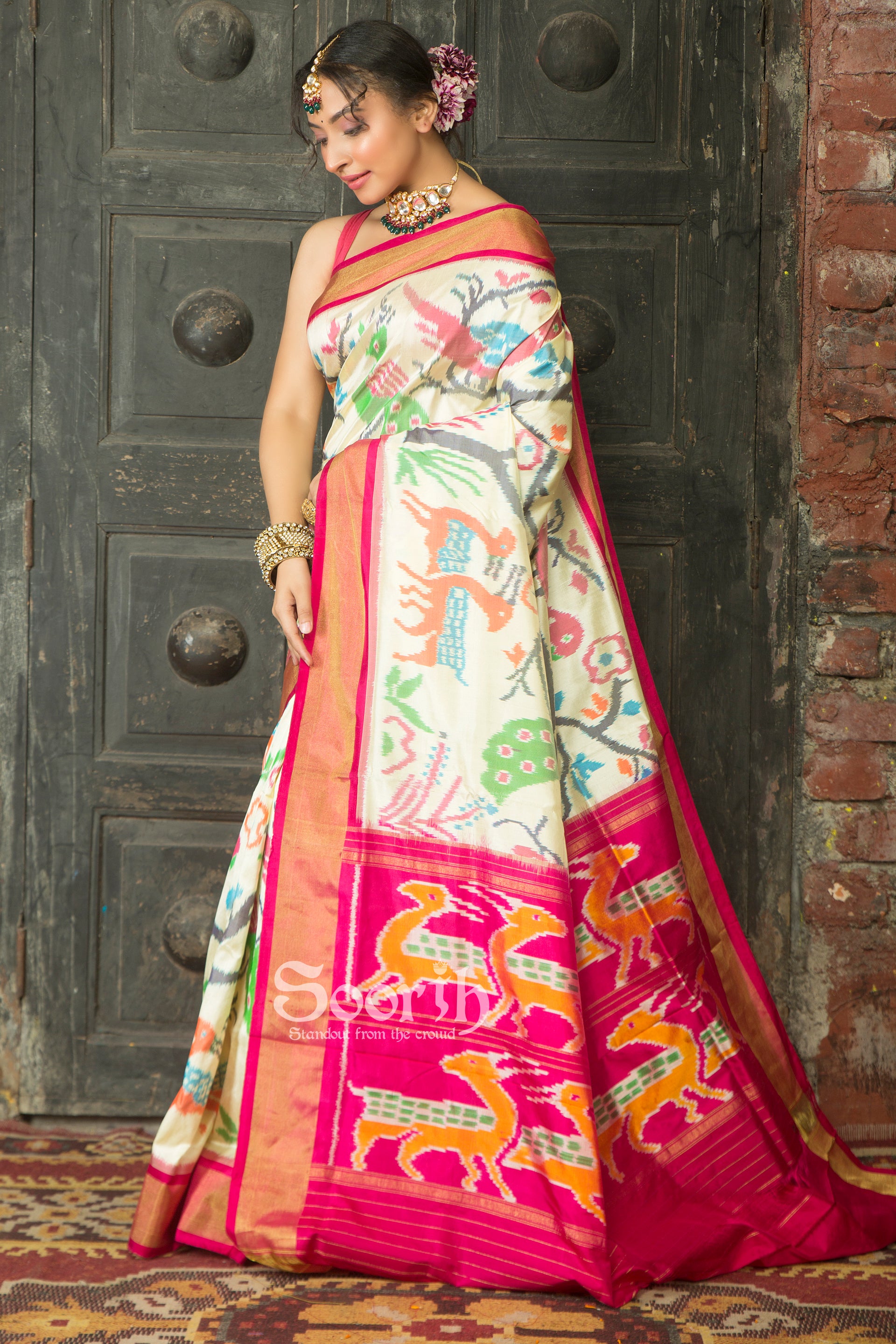
Most prestigious among Gujarati textiles stands the patola saree, representing the pinnacle of ikat artistry through double-ikat weaving—a technique requiring dyers to resist-dye both warp and weft threads before interlacing them. Creating an authentic patola saree demands 6-8 months of meticulous hand-work per piece, with only the most skilled artisans achieving the geometric perfection these sarees demand. Patola sarees feature distinct diamond patterns, intricate checkerboard designs, and sophisticated color combinations—each genuine patola piece is virtually a wearable art canvas. The finest patola sarees command premium prices, as they represent centuries of family craft knowledge and individual artistic brilliance.
Andhra Pradesh: Pochampally and Nizami
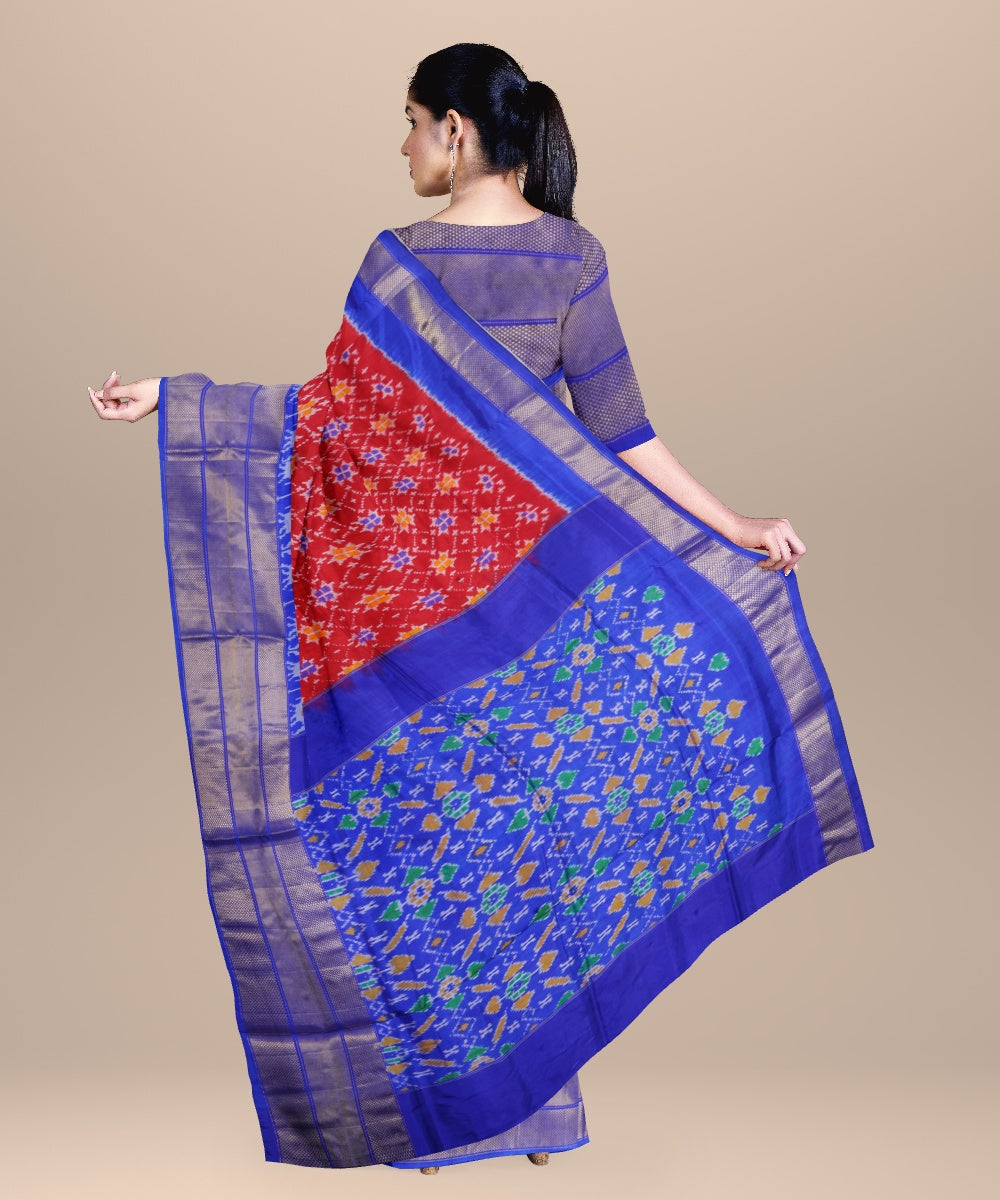
The Pochampally region of Telangana revolutionized saree weaving with the ikat technique (also called bandhani in Telugu), creating hypnotic geometric patterns through resist-dyeing the warp threads before weaving. Pochampally sarees from Sri Manisha Sarees showcase this ancient craft at its finest, featuring diamond patterns, checks, and intricate motifs in traditional color combinations. The beauty of Pochampally lies in its mathematical precision—slight variations in individual pieces ensure each saree possesses unique character while maintaining the pattern's integrity.
Unlike patola's double-ikat complexity, Pochampally ikat focuses precision on warp threads alone, creating the distinctive linear patterns and geometric precision that characterize these timeless pieces. A Pochampally saree typically requires 7-10 days of loom work, making it more accessible than patola while maintaining exceptional artistry. The color palettes of Pochampally sarees often feature jewel tones—deep blues, burgundy, emerald, and saffron—creating sarees suitable for both daily wear and festive occasions.
Nizami sarees of Hyderabad represent the pinnacle of Deccan elegance, blending Mughal sophistication with Telugu craftsmanship. Hyderabad's Nizami sarees feature pure silk or cotton-silk blend construction with tissue-thin silk creating a gossamer drape. The defining characteristic—tissue borders and gold zari edges—creates luminous luxury. These sarees often showcase intricate jamdani work (hand-inserted floral patterns) or traditional temple designs, making them the preferred choice for weddings and formal celebrations. The silk content in authentic Nizami sarees ensures they hold pleats impeccably and drape with unmatched fluidity.
British Influence: Standardization and Global Trade (19th-20th Century)
The British colonial period introduced mechanical looms and standardized measurements, fundamentally changing how Indians consumed sarees. While the powerloom technology accelerated production and lowered costs, making sarees accessible to common women, it simultaneously threatened traditional handloom artisans. The British era standardized the modern saree drape: the fitted choli (blouse), the petticoat support, and the midriff-baring pallu style—aligning with Victorian-era considerations of modesty while maintaining Indian aesthetics.
This period witnessed the distinction between handloom sarees and powerloom sarees becoming critical. Handloom sarees retained superiority in quality—woven on traditional wooden or simple mechanical looms by skilled artisans, they featured intricate patterns, superior drape, and durability. Powerloom sarees, woven on electrically-powered machines, offered affordability and speed but sacrificed the fine details and artisanal character.
The introduction of synthetic dyes expanded the color palette available to Indian weavers. Cotton sarees became standardized commodities, though the finest pieces remained handwoven. Silk sarees gained prominence among middle-class Indians as manufacturing improved, making them accessible beyond royal courts. The British era's legacy includes the modern petticoat-blouse system that defines contemporary saree wearing.
The Timeless Appeal of Black Sarees: Elegance Across Eras
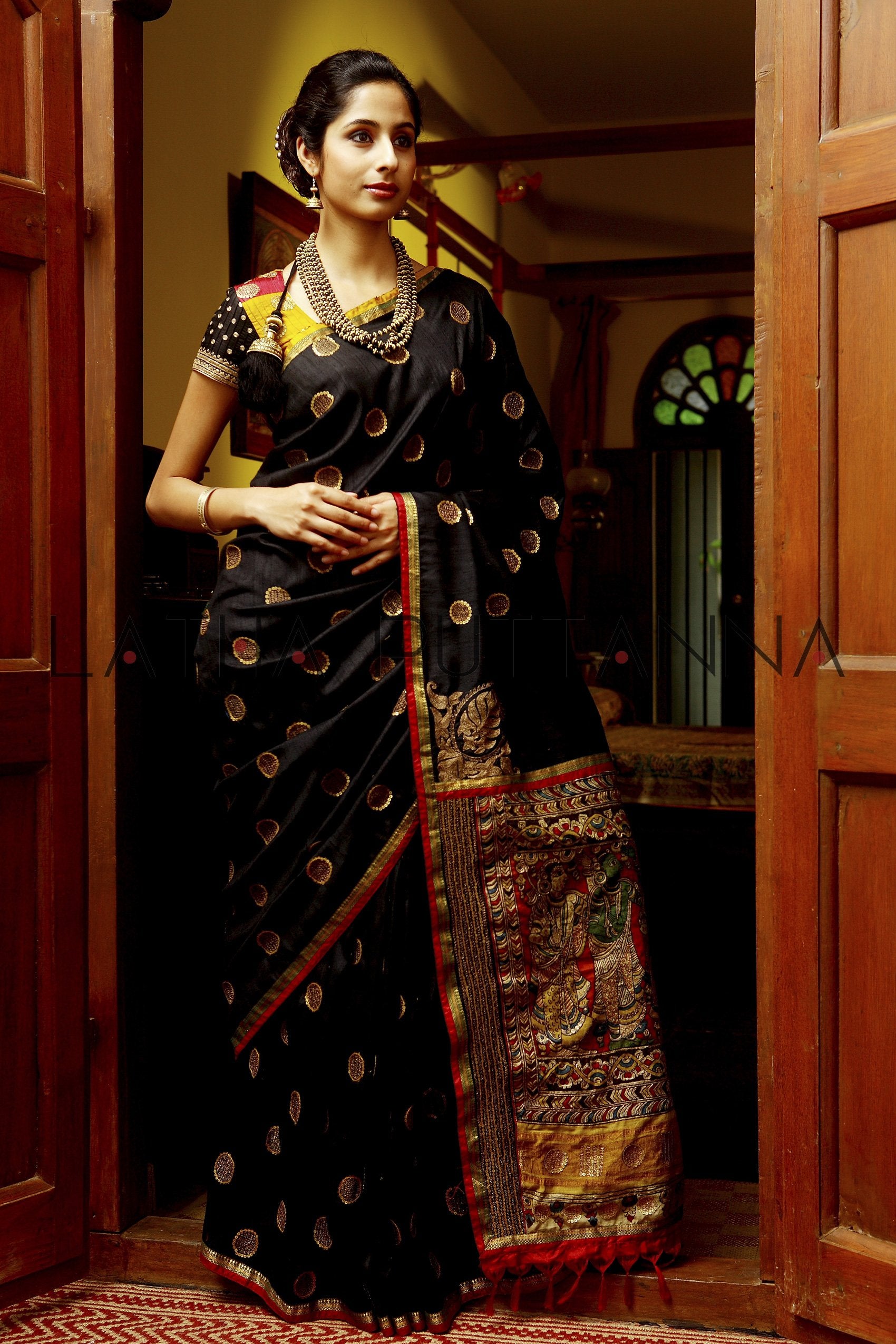
One particularly striking development in modern saree culture is the sophisticated charm of black sarees, representing both contemporary elegance and traditional mystique. Unlike the vibrant color palettes historically favored in sarees, black emerged as a symbol of versatile sophistication in the 20th century, commanding respect in corporate environments while maintaining cultural authenticity.
Black sarees offer remarkable versatility—wear them to formal corporate settings, evening celebrations, or cultural events with equal confidence. Paired with elegant gold jewelry and traditional styling, a black saree exudes timeless grace. In cotton construction, black sarees provide comfortable daily elegance; in silk, they command ceremonial respect. Contemporary designers frequently incorporate black sarees with contrasting colored borders—gold zari, vibrant silk trim, or intricate embroidery—creating visually striking pieces that combine modern aesthetics with traditional craftsmanship. The subtle sophistication of black saree-wearing demonstrates how saree culture continuously evolves while maintaining essential character.
Understanding Saree Fabrics: The Foundation of Elegance
Selecting the right saree fabric determines comfort, occasion-appropriateness, and longevity. At Sri Manisha Sarees, we offer diverse fabric compositions to suit every need and climate.
Pure Cotton Sarees: The Comfort Champion
Cotton sarees represent the pinnacle of breathability and comfort, ideal for India's tropical climate and daily wear. Pure cotton varieties include khadi cotton (hand-spun, eco-friendly), chanderi cotton (fine and translucent with silk blends), and muslin (the softest cotton variety). Handloom cotton sarees from Tamil Nadu (Venkatagiri), Odisha (Sambalpuri), and Bengal (Tant) showcase distinct weave characteristics while maintaining that signature cotton softness.
Silk Sarees: Luxurious Tradition
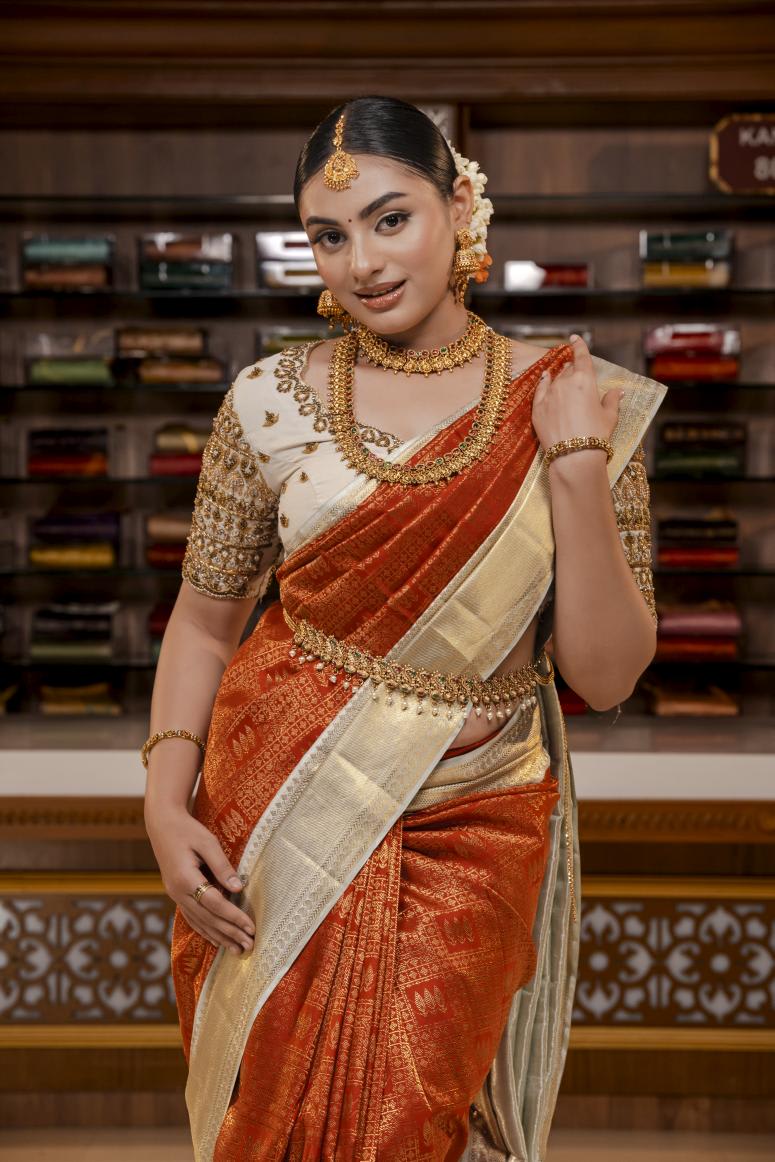
Pure silk sarees represent formal wear excellence, featuring natural luster and structural integrity that holds pleats impeccably. Kanchipuram silk sarees from Tamil Nadu utilize mulberry silk with contrasting borders and temple designs. Banarasi silk sarees showcase intricate brocade work and zari embellishment. Pure silk sarees, while premium-priced, offer lifetime value through their durability and timeless aesthetics.
Cotton-Silk Blend: The Perfect Balance
The cotton-silk blend saree represents the modern woman's choice—combining cotton's breathability with silk's lustrous elegance. This fabric composition creates a structured drape without the heaviness of pure silk, making it suitable for extended wear while maintaining sophistication. Cotton-silk sarees prove perfect for office wear, festive occasions, and cultural events where you require both comfort and elegance. The blend reduces wrinkles while maintaining the graceful flow that defines traditional saree wearing.
Cotton-Polyester Blends: Durability Meets Ease
Cotton-polyester blend sarees offer superior wrinkle resistance and durability, requiring minimal maintenance—ideal for busy professionals and frequent travelers. The polyester component adds strength to cotton fibers, reducing shrinkage and fading while maintaining breathability.
Cotton-Linen and Cotton-Viscose: Emerging Favorites
Cotton-linen blend sarees provide eco-friendly options with exceptional breathability, perfect for summer wear and warm climates. Cotton-viscose (rayon) blend sarees drape beautifully with fluid elegance, offering a semi-synthetic option that combines natural comfort with refined aesthetics. Both blends have gained prominence among environmentally-conscious consumers seeking sustainable luxury.
Specialty Fabrics: Expanding the Spectrum
Modern saree collections include georgette (lightweight, flowing), chiffon (ethereal, draping), crepe (textured, elegant), and organza (crisp, formal) options. These contemporary fabrics suit modern styling while maintaining traditional sensibilities.
The Art of Looms: Where Tradition Meets Craft
Understanding saree construction requires appreciating the looms that transform thread into textile art. Sri Manisha Sarees celebrates both traditional and modern loom technologies
Handloom Weaving: The Artisan's Canvas
Handloom sarees represent humanity's oldest weaving technology, employing simple mechanical looms operated entirely by human skill. The handloom process begins with stretching warp threads vertically on the loom frame, then the weaver manually passes weft threads horizontally using a shuttle. This labor-intensive process requires immense skill, patience, and artistic vision. Each handloom saree takes 10-20 days to complete, depending on pattern complexity.
The superiority of handloom construction becomes evident upon examination: handloom sarees feature slightly irregular weaves creating textured surfaces, uneven but deliberately artistic patterns, and pin marks at regular intervals (evidence of pinning the saree to the loom). The inner side of handloom sarees perfectly replicates the outer design, a mark of authentic craftsmanship impossible to achieve through mechanization. Handloom sarees are notably softer due to looser weaving, drape more gracefully, recover better from wrinkles, and develop character through aging.
The ecological footprint of handloom production remains minimal, involving zero mechanization and no significant carbon emissions—making these sarees the conscientious choice for environmentally-aware consumers. By choosing Sri Manisha Sarees' handloom collections, you directly support artisan communities and preserve ancient crafts.
Powerloom Weaving: Modern Efficiency
Powerloom sarees employ electrically-powered mechanized looms that automate the warp-weft interlacing process, enabling mass production and affordable pricing. While powerlooms cannot replicate the intricate customizations of handlooms, they excel at producing consistent, uniform patterns at fraction of the cost and time.
The distinction becomes visually apparent: powerloom sarees feature perfectly even weaves, flawless uniformity, and higher thread density creating stiffer fabric. The inner side often displays loose hanging threads the machine cannot weave in. These sarees, while lacking handloom character, offer superior affordability and maintenance-ease, suiting budget-conscious buyers and those prioritizing practicality.
Modern India: Fusion, Fashion, and Cultural Pride (20th Century-Present)
Contemporary saree culture represents a beautiful synthesis of tradition and innovation. Modern draping styles—the Nivi style from Deccan (featuring front pleats with pallu over the left shoulder) remains most popular, but variations flourish: the Gujarati Seedha Pallu (pallu draped forward), the Bengali Aatpoure (pallu loose over the right shoulder), the Coorgi style from Karnataka (pleats at back, molakattu knot securing the pallu).
Modern saree wearing embraces experimentation—contemporary blouses replace traditional cholis, designer borders replace traditional zari, and fusion draping styles emerge. Yet the fundamental appeal remains unchanged: the six-yard saree adapts to individual body types, ages, and occasions while maintaining cultural authenticity. Young professionals wear sarees to corporate offices; actors wear sarees on international red carpets; activists wear sarees at political demonstrations—each wearing an assertion of identity.
Contemporary saree fabrics include sustainable choices: organic cotton, linen, hemp-blends, and innovative synthetics mimicking silk's luxury. Modern Pochampally sarees from Sri Manisha Sarees blend traditional ikat techniques with contemporary color palettes, appealing to younger demographics. Contemporary Nizami sarees feature lighter tissue weights suitable for casual elegance, expanding beyond formal-occasion-only wearing.
Why Choose Sri Manisha Sarees: Heritage Meets Quality
At @srimanishasarees, every saree embodies centuries of evolution, cultural pride, and unwavering commitment to quality. Our Pochampally sarees showcase authentic ikat techniques from Telangana's traditional looms. Our exclusive patola saree collection features authenticated double-ikat weaving from Gujarat's master artisans—each piece requiring months of meticulous hand-work. Our Nizami sarees feature hand-selected silk and meticulous zari work honoring Hyderabad's legacy. We curate black sarees in various fabrics and styles for the modern Indian woman seeking versatile sophistication. We offer diverse fabric compositions—pure cotton for daily elegance, cotton-silk blends for versatile sophistication, and pure silk for formal grandeur.
Whether you're seeking a traditional handloom saree supporting artisan communities, a luxurious patola saree representing textile mastery, an elegant Pochampally saree showcasing geometric perfection, a sophisticated black saree for contemporary occasions, or a contemporary powerloom option balancing affordability with style, Sri Manisha Sarees delivers excellence. Our curated collections celebrate India's textile diversity while ensuring every piece meets exacting quality standards.
The saree remains more than fabric; it's heritage draped around your shoulders, artistry woven into every thread, and cultural pride expressed through timeless elegance. Explore our collections at Sri Manisha Sarees and discover your perfect drape—where tradition meets modern sophistication, and every saree tells a story spanning millennia.